
Daily Current Affairs 12 October 2026
Daily current affairs for 12 October 2026 — 18 verified news items across National, Economy, International & more, with exam-angle notes, keywords and practice…
Part of October 2026 current affairs: the month's top stories by topic
Free to start — daily digests, practice questions and a study plan built round your exam.
In this digest · 18 items
National
MPSC Aspirants End Protest as Tukaram Mundhe Leads Inquiry Panel
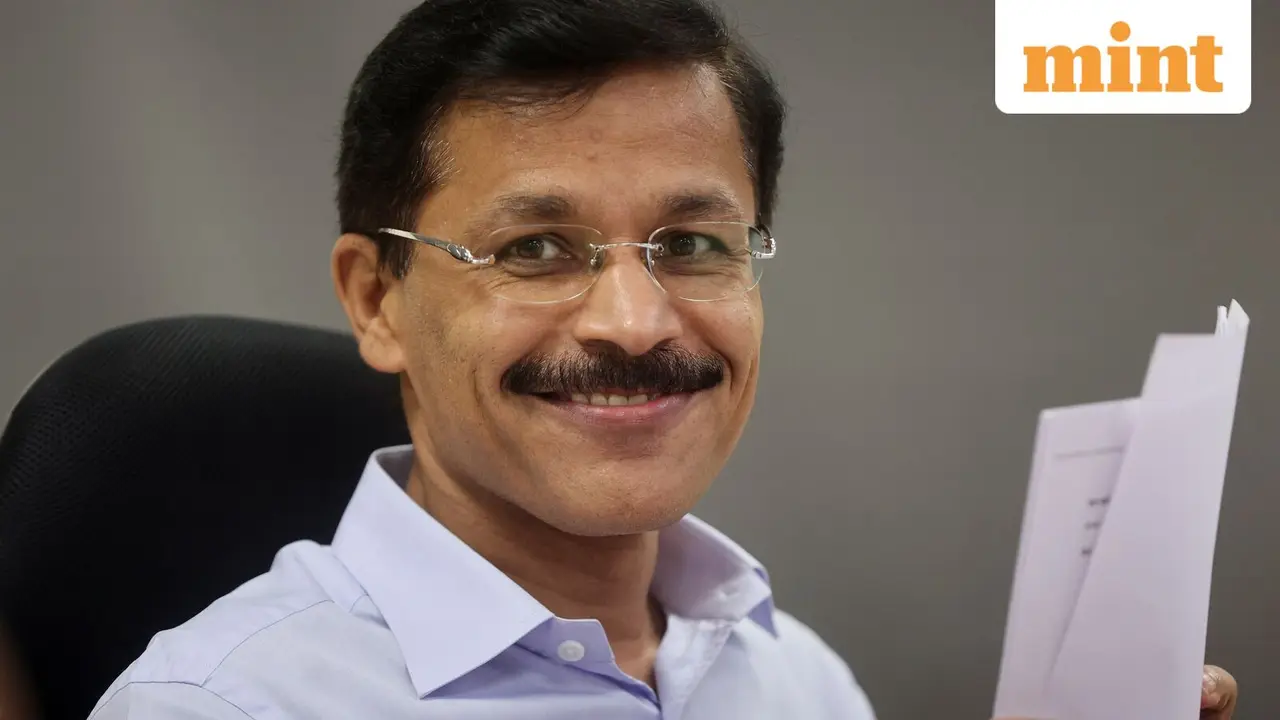
Maharashtra Public Service Commission (MPSC) aspirants called off their 10-day protest after IAS officer Tukaram Mundhe was appointed as the secretary of the inquiry committee investigating alleged recruitment irregularities. Following this, MPSC Chairman Vivek Bhimanwar stepped away from his role and went on leave until the inquiry is completed. The appointment of Mundhe and the chairman's leave fulfilled the core demands of the protesting aspirants, leading to the end of the agitation.
Source Livemint
Practice MCQs
Q1 Who was appointed as the secretary of the inquiry committee into MPSC recruitment irregularities?
- AVivek Bhimanwar
- BTukaram MundheCorrect
- CIAS officer Rajesh Kumar
- DMPSC Chairman
Explanation IAS officer Tukaram Mundhe was appointed as the secretary of the inquiry committee investigating MPSC recruitment irregularities.
Q2 What action did MPSC Chairman Vivek Bhimanwar take following the appointment of the inquiry committee secretary?
- AResigned from his post
- BWent on leave until the inquiry was completedCorrect
- CDismissed the protestors
- DIncreased recruitment
Explanation MPSC Chairman Vivek Bhimanwar proceeded on leave until the inquiry was completed.
Q3 What was the duration of the MPSC aspirants' protest that ended after the inquiry panel was formed?
- A5 days
- B10 daysCorrect
- C15 days
- D20 days
Explanation The MPSC aspirants' protest lasted for 10 days before it was called off.
Supreme Court Clarifies It Has Not Adjudicated on New Form 6 in Bihar SIR Case
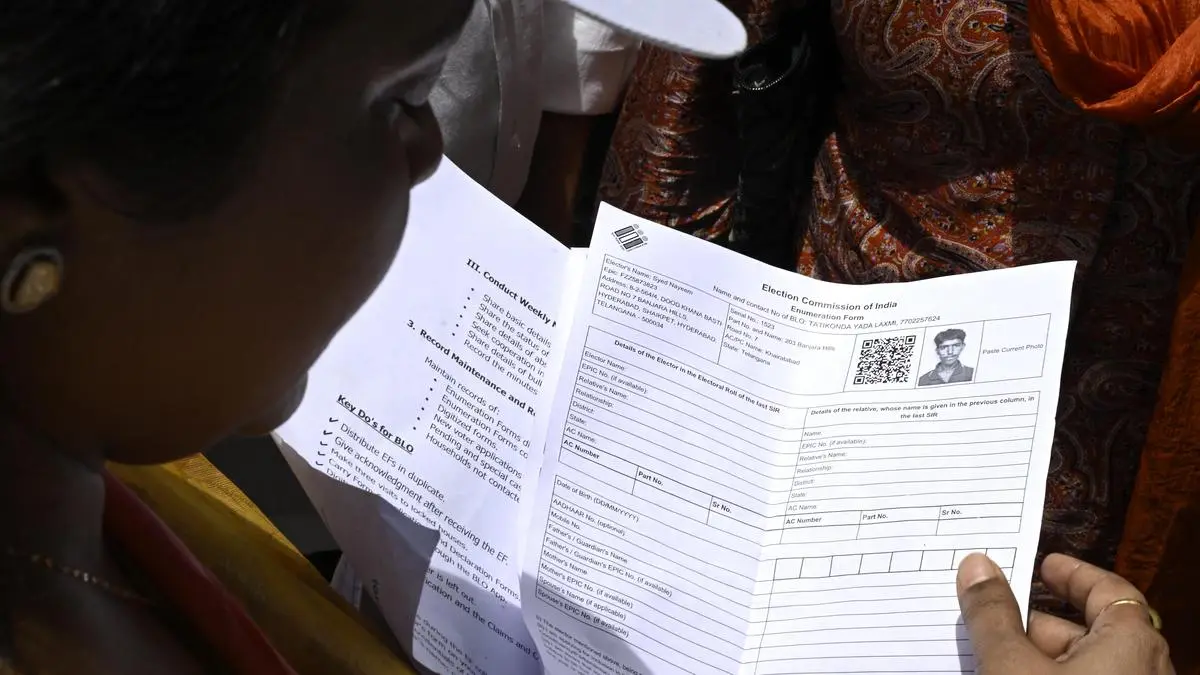
The Supreme Court clarified that it neither approved nor disapproved the new Form 6 while hearing the Bihar Special Identification Registration (SIR) matter. The new Form 6, introduced in July, includes changes requiring applicants to provide ancestry details or linkage to previous SIR rolls on the ECINet portal. The Court emphasized that its earlier judgment on the Bihar SIR did not address these alterations.
Source The Hindu
Practice MCQs
Q1 What was the Supreme Court's stance on the new Form 6 during the Bihar SIR hearing?
- AIt neither approved nor disapproved the new Form 6Correct
- BIt fully approved the new Form 6
- CIt rejected the new Form 6
- DIt ordered immediate implementation of the new Form 6
Explanation The Supreme Court clarified that it had not adjudicated on the new Form 6 and neither approved nor disapproved it during the Bihar SIR hearing.
Q2 What new requirement was introduced in the modified Form 6 in July 2026?
- AApplicants must provide ancestry details or linkage to previous SIR rollsCorrect
- BApplicants must submit biometric data
- CApplicants must provide income certificates
- DApplicants must submit caste certificates
Explanation The changes in the new Form 6 required applicants to provide ancestry details or linkage to previous SIR rolls on the ECINet portal.
Economy
RBI Opens Special Dollar Window for PSU Oil Firms Amid Rising Oil Prices

The Reserve Bank of India (RBI) has announced a special window to meet the entire daily dollar requirements of three public sector oil marketing companies: Indian Oil Corporation Limited, Hindustan Petroleum Corporation Limited, and Bharat Petroleum Corporation Limited. This facility, aimed at addressing the challenges posed by rising oil prices, will enable the RBI to sell US dollars to these companies through designated banks. The special window will come into effect from October 12, 2026, and will remain operational until further notice.
Source Reserve Bank of India
Practice MCQs
Q1 Which entities will benefit from the RBI's special window to meet daily dollar requirements?
- AIndian Oil Corporation Limited, Hindustan Petroleum Corporation Limited, Bharat Petroleum Corporation LimitedCorrect
- BState Bank of India, Punjab National Bank, Bank of Baroda
- CReliance Industries, Tata Group, Adani Group
- DOil and Natural Gas Corporation, Coal India, Steel Authority of India
Explanation The RBI's special window is specifically for the three public sector oil marketing companies: Indian Oil Corporation Limited, Hindustan Petroleum Corporation Limited, and Bharat Petroleum Corporation Limited.
Q2 When did the RBI's special window for PSU oil firms come into effect?
- AOctober 12, 2026Correct
- BOctober 10, 2026
- CNovember 1, 2026
- DSeptember 30, 2026
Explanation The facility was announced to come into effect from October 12, 2026.
Q3 What is the primary reason for RBI opening the special dollar window for PSU oil firms?
- ATo meet the entire daily dollar requirements amid rising oil pricesCorrect
- BTo provide loans for infrastructure development
- CTo support export promotion schemes
- DTo regulate domestic fuel prices
Explanation The RBI opened the special window to meet the entire daily dollar requirements of PSU oil firms due to rising oil prices.
Robert E. Hall and Michael Woodford Win 2026 Nobel Prize in Economics

Americans Robert E. Hall and Michael Woodford have been awarded the 2026 Nobel Prize in Economics for their work on the microeconomic foundations of macroeconomic stabilization. Their research offers a theoretical basis for economic models used globally to respond to economic shocks and stabilize economic activity. The prize carries a monetary award of 12 million Swedish crowns, approximately $1.2 million.
Source Livemint
Practice MCQs
Q1 For what contribution were Robert E. Hall and Michael Woodford awarded the 2026 Nobel Prize in Economics?
- AMicroeconomic foundations of macroeconomic stabilizationCorrect
- BDevelopment of new financial instruments
- CAdvancements in behavioral economics
- DInnovations in international trade theory
Explanation They were awarded for their work on the microeconomic foundations of macroeconomic stabilization.
Q2 What is the approximate monetary value of the 2026 Nobel Prize in Economics awarded to Hall and Woodford?
- A12 million Swedish crownsCorrect
- B1.2 million Indian Rupees
- C10 million US dollars
- D5 million Euros
Explanation The prize is worth 12 million Swedish crowns, about $1.2 million.
Q3 What practical application does the research of Hall and Woodford support?
- AEconomic models used worldwide to respond to disruptions and stabilize economic activityCorrect
- BNew taxation policies for developing countries
- CTechnological innovations in banking
- DClimate change economic impact assessments
Explanation Their research provides a theoretical foundation for economic models used globally to respond to disruptions and stabilize economic activity.
RBI Launches 51st SIOS and 116th IOS for Q3 2026-27

The Reserve Bank of India has launched the 51st round of the Services and Infrastructure Outlook Survey (SIOS) and the 116th round of the Industrial Outlook Survey (IOS) for the quarter October-December 2026 (Q3:2026-27). Both surveys assess business sentiments and expectations for the ensuing quarter (Q4:2026-27) and outlook for the next two quarters (Q1 and Q2 of 2027-28). They gather qualitative responses on demand, financial, employment, and price conditions from selected companies in the services, infrastructure, and manufacturing sectors in India.
Source Reserve Bank of India
Practice MCQs
Q1 What is the reference period for the 51st round of the Services and Infrastructure Outlook Survey (SIOS) launched by RBI?
- AJuly-September 2026
- BOctober-December 2026Correct
- CJanuary-March 2027
- DApril-June 2027
Explanation The 51st round of SIOS covers the quarter October-December 2026 (Q3:2026-27) as per the RBI press release.
Q2 Which sectors are covered by the Industrial Outlook Survey (IOS) launched by RBI for Q3:2026-27?
- AServices and infrastructure sectors
- BManufacturing sectorCorrect
- CAgriculture sector
- DBanking sector
Explanation The 116th round of IOS assesses business sentiments in the Indian manufacturing sector for Q3:2026-27.
Q3 What key parameters do RBI's quarterly outlook surveys assess?
- ADemand, financial, employment, and price conditionsCorrect
- BExports, imports, inflation, and GDP growth
- CFiscal deficit, monetary policy, and foreign exchange reserves
- DInterest rates, stock market trends, and government schemes
Explanation Both SIOS and IOS surveys assess qualitative responses on demand conditions, financial conditions, employment conditions, and price situation.
India's Retail Inflation Exceeds RBI's 4% Target for Fourth Consecutive Month
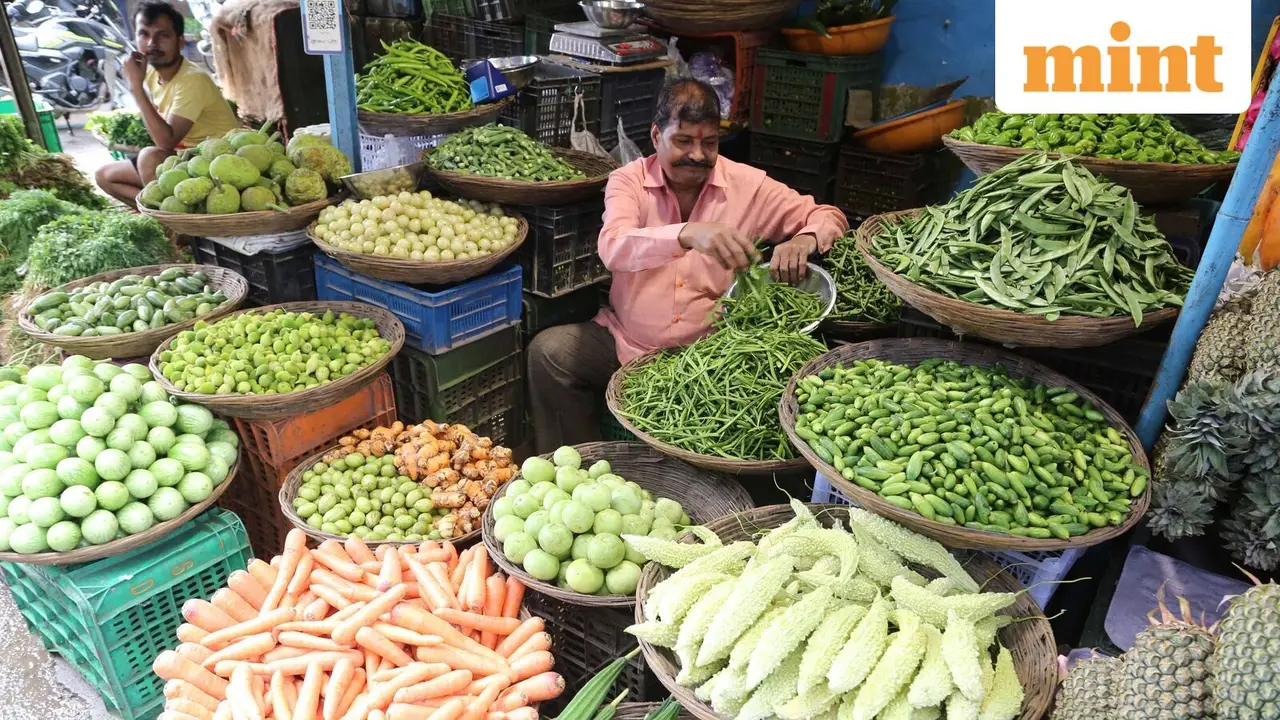
India's retail inflation rose to 5.54% in September, marking a 23-month high. This increase was primarily driven by rising food prices and commodity costs. The persistent inflation above the Reserve Bank of India's 4% target for the fourth successive month poses challenges for the RBI in managing price stability, especially amid elevated oil prices and ongoing economic uncertainty.
Source Livemint
Practice MCQs
Q1 What was India's retail inflation rate in September as reported?
- A4%
- B5.54%Correct
- C6.2%
- D3.8%
Explanation India's retail inflation climbed to 5.54% in September, as stated in the source.
Q2 For how many consecutive months did India's inflation remain above the RBI's 4% target?
- ATwo months
- BThree months
- CFour monthsCorrect
- DFive months
Explanation Inflation breached RBI's 4% target for the fourth successive month.
Q3 Which factors primarily drove the rise in India's retail inflation in September?
- ARising food prices and commodity costsCorrect
- BDecline in oil prices
- CIncrease in exports
- DGovernment subsidies
Explanation The inflation rise was driven by food prices and rising commodity costs.
India's Retail Inflation Rises to 5.54% in September 2026

India's retail inflation increased to 5.54% in September 2026 from 4.83% in August 2026, marking the highest level under the new Consumer Price Index (CPI) series. The rise in inflation was primarily driven by higher food prices, according to government data.
Source Livemint
Practice MCQs
Q1 What was the retail inflation rate in India in September 2026?
- A5.54%Correct
- B4.83%
- C6.00%
- D5.00%
Explanation India's retail inflation rose to 5.54% in September 2026 as per government data.
Q2 What was the main factor driving the rise in India's retail inflation in September 2026?
- AHigher food pricesCorrect
- BIncreased fuel prices
- CRising housing costs
- DHigher transportation costs
Explanation The increase in retail inflation was mainly due to higher food prices.
Q3 How did India's retail inflation in September 2026 compare to August 2026?
- AIt increased from 4.83% to 5.54%Correct
- BIt decreased from 5.54% to 4.83%
- CIt remained the same at 5.54%
- DIt remained the same at 4.83%
Explanation Retail inflation rose from 4.83% in August 2026 to 5.54% in September 2026.
International
North Korea Fires Multiple Ballistic Missiles After Warning Seoul
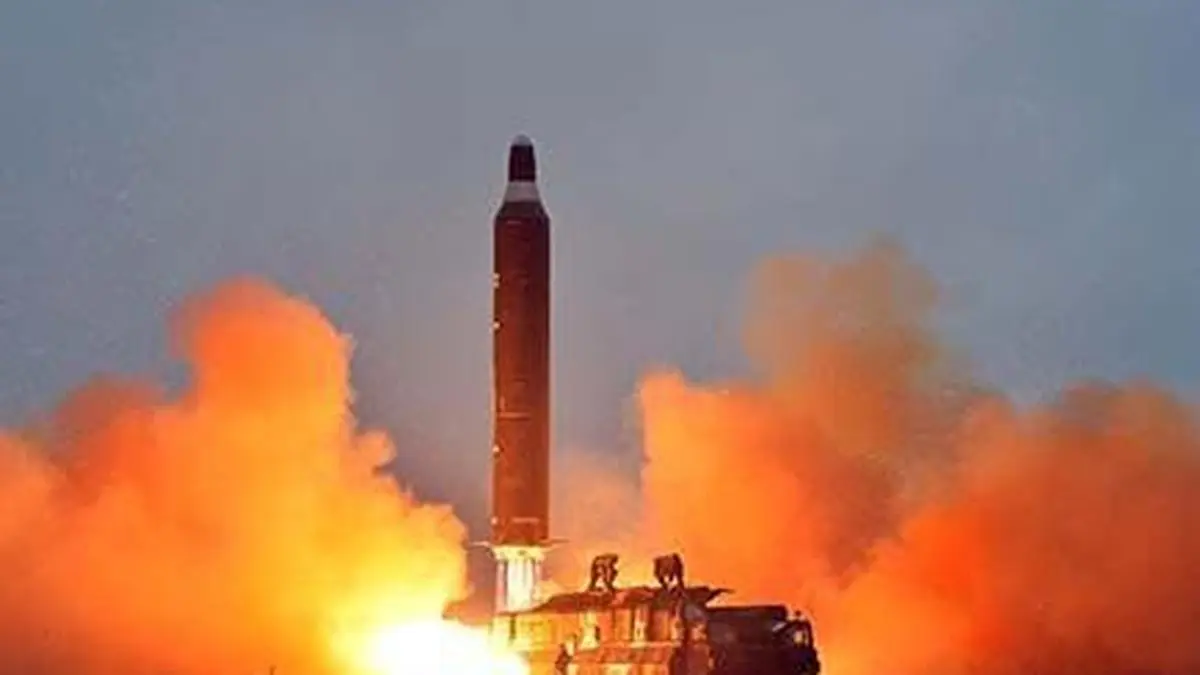
North Korea fired multiple ballistic missiles off its east coast on Monday, following a warning to Seoul about retaliation if its territory was violated. This missile launch is part of North Korea's ongoing increase in weapons testing as it aims to expand its arsenal of nuclear-capable systems while maintaining a hard line toward South Korea.
Source The Hindu
Practice MCQs
Q1 What action did North Korea take after warning Seoul about territorial violations?
- AFired multiple ballistic missiles off its east coastCorrect
- BConducted a diplomatic meeting with South Korea
- CLaunched a cyberattack on Seoul
- DImposed economic sanctions on South Korea
Explanation North Korea fired multiple ballistic missiles off its east coast following its warning to Seoul about retaliation if its territory was violated.
Q2 What is the main purpose behind North Korea's recent increase in weapons testing?
- ATo expand its arsenal of nuclear-capable systemsCorrect
- BTo improve its conventional military forces
- CTo develop space exploration technology
- DTo strengthen economic ties with neighboring countries
Explanation North Korea has been ramping up weapons testing as it seeks to expand its arsenal of nuclear-capable systems.
India Condemns Attack on King Khalid International Airport in Riyadh
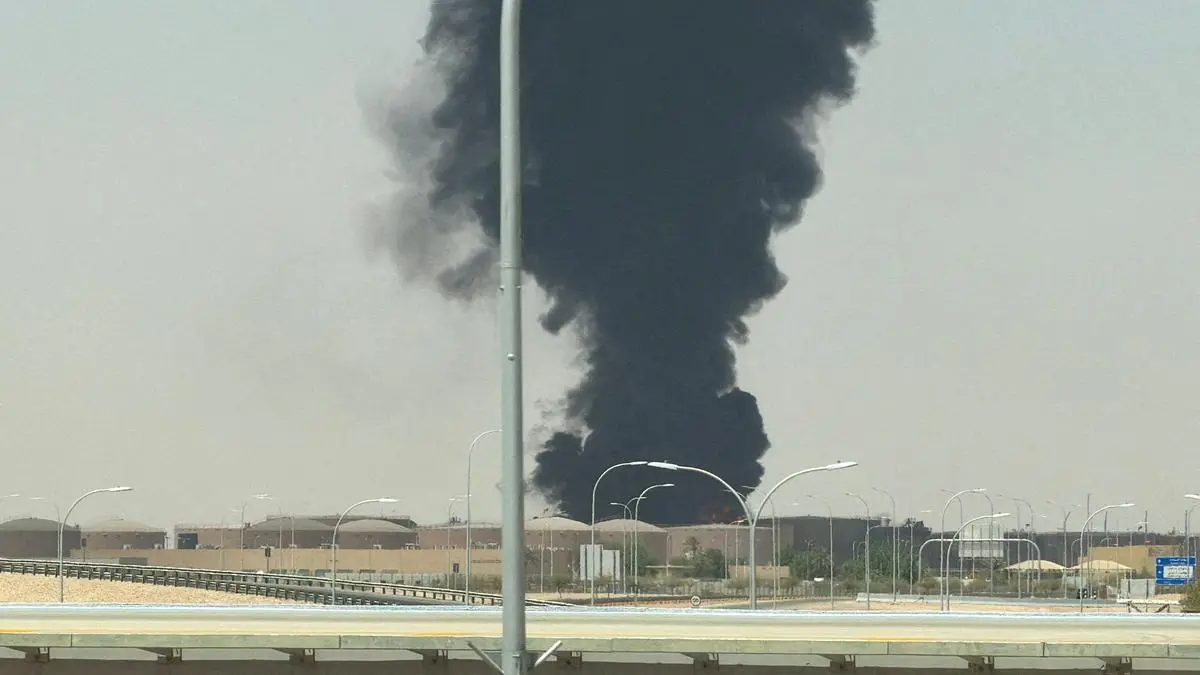
On October 10, 2026, an attack on King Khalid International Airport in Riyadh resulted in 12 deaths and over 300 injuries. Saudi Arabia attributed the attack to Houthi militants. The Indian Ministry of External Affairs condemned the attack, describing it as 'completely unacceptable' and expressed solidarity with Saudi Arabia.
Source The Hindu
Practice MCQs
Q1 Which airport was attacked on October 10, 2026, leading to multiple casualties?
- AKing Khalid International AirportCorrect
- BIndira Gandhi International Airport
- CDubai International Airport
- DHamad International Airport
Explanation The attack occurred at King Khalid International Airport in Riyadh.
Q2 Who did Saudi Arabia blame for the attack on King Khalid International Airport?
- AHouthi militantsCorrect
- BAl-Qaeda
- CISIS
- DTaliban
Explanation Saudi Arabia blamed Houthi militants for the attack.
Q3 How did the Indian Ministry of External Affairs describe the attack on Riyadh airport?
- ACompletely unacceptableCorrect
- BJustified
- CUnavoidable
- DMinor incident
Explanation The Ministry of External Affairs called the attack 'completely unacceptable.'
Navanethem Pillay Wins Nobel Peace Prize 2026

Navanethem 'Navi' Pillay, a South African judge of Indian origin, has been awarded the Nobel Peace Prize in 2026. The announcement has been widely recognized, including praise from Tamil Nadu political leader Annamalai. Pillay's achievement highlights her significant contributions to peace and justice.
Source The Hindu
Practice MCQs
Q1 Who won the Nobel Peace Prize in 2026?
- ANavanethem PillayCorrect
- BAnnamalai
- CMalala Yousafzai
- DKailash Satyarthi
Explanation Navanethem 'Navi' Pillay, a South African judge of Indian origin, won the Nobel Peace Prize in 2026.
Q2 Which Indian-origin South African judge was awarded the Nobel Peace Prize in 2026?
- ANavanethem PillayCorrect
- BAnnamalai
- CRaghuram Rajan
- DArundhati Roy
Explanation Navanethem Pillay, a South African judge of Indian origin, was the 2026 Nobel Peace Prize winner.
Q3 Who praised Navanethem Pillay's Nobel Peace Prize win from Tamil Nadu?
- AAnnamalaiCorrect
- BM.K. Stalin
- CJ. Jayalalithaa
- DK. Kamaraj
Explanation Tamil Nadu political leader Annamalai hailed Navanethem Pillay's Nobel Peace Prize win.
Defence
INS Mangrol, Third Anti-Submarine Warfare Shallow Water Craft, Inducted into Indian Navy
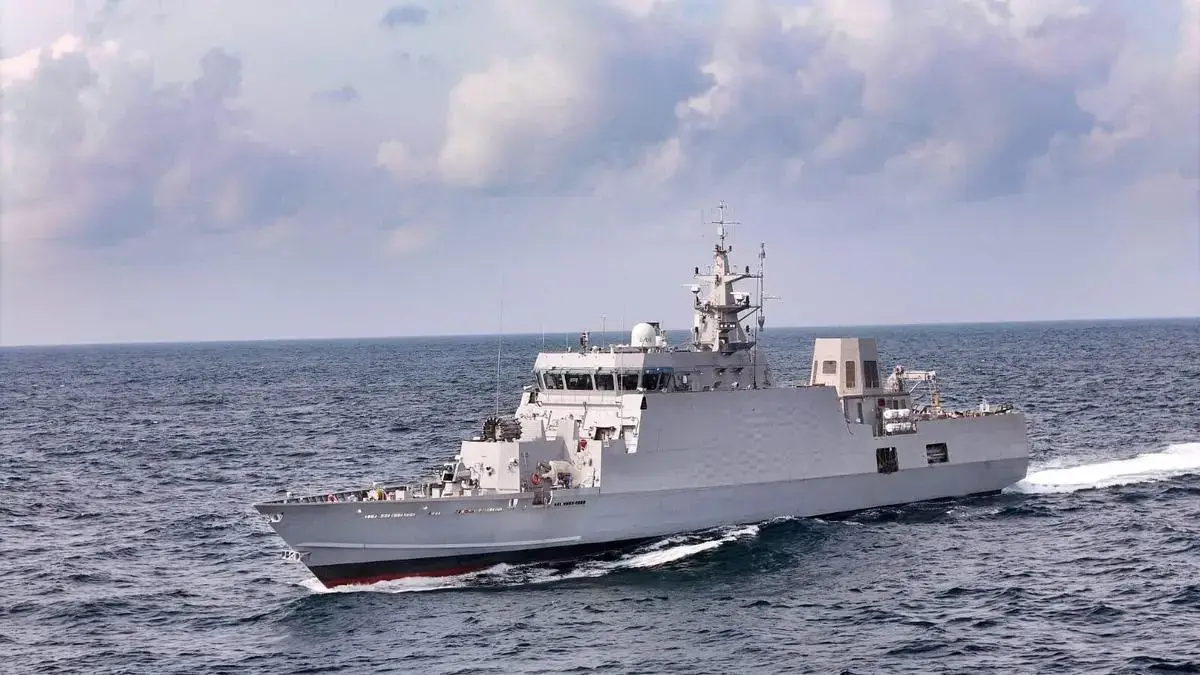
INS Mangrol, the third anti-submarine warfare shallow water craft, has been inducted into the Indian Navy. Built by Cochin Shipyard Limited in Kochi with over 80% indigenous content, the vessel showcases India's advancing capabilities in warship construction and integration of indigenous weapons and sensors. INS Mangrol is designed to operate alongside maritime patrol aircraft, helicopters, and other warships to detect and counter submarine threats effectively.
Source BusinessLine
Practice MCQs
Q1 Which shipyard built the INS Mangrol, the third anti-submarine warfare shallow water craft inducted into the Indian Navy?
- ACochin Shipyard LimitedCorrect
- BMazagon Dock Shipbuilders
- CGarden Reach Shipbuilders
- DHindustan Shipyard Limited
Explanation INS Mangrol was built by Cochin Shipyard Limited in Kochi.
Q2 What percentage of indigenous content does INS Mangrol have?
- AOver 80%Correct
- B50%
- C70%
- D100%
Explanation INS Mangrol was built with over 80% indigenous content.
Q3 INS Mangrol is designed to operate alongside which of the following to detect and counter submarine threats?
- AMaritime patrol aircraft, helicopters, and other warshipsCorrect
- BOnly submarines
- CCargo ships and fishing vessels
- DCommercial aircraft
Explanation INS Mangrol can operate alongside maritime patrol aircraft, helicopters, and other warships to detect and counter submarine threats.
Banking
RBI Issues Multiple Amendments to Banking Prudential Norms and Directions in 2026

On October 7, 2026, the Reserve Bank of India issued several amendment directions related to prudential norms and miscellaneous instructions for different banking institutions. These include the Fifth Amendment to the All India Financial Institutions (AIFIs) Prudential Norms on Capital Adequacy Directions, the Third Amendment to Payments Banks Prudential Norms on Capital Adequacy Directions, and amendments to Commercial Banks' Miscellaneous and Forthcoming Instructions Directions. The amendments aim to align the norms with international standards and involve provisions such as legal opinion requirements for clearing members and methodologies for minimum capital requirements for counterparty credit risk. These changes are made under the powers conferred by Section 35A of the Banking Regulation Act, 1949.
Source Reserve Bank of India
Practice MCQs
Q1 What was the main objective of the RBI's 2026 amendments to prudential norms for banking institutions?
- ATo align the norms with international standardsCorrect
- BTo increase the minimum capital requirements arbitrarily
- CTo reduce the legal opinion requirements for all banks
- DTo introduce new banking products
Explanation The amendments were made to align the prudential norms and instructions with international standards, as stated in the RBI notifications.
Q2 Under which legal provision did the RBI exercise its powers to issue the 2026 amendments to banking directions?
- ASection 35A of the Banking Regulation Act, 1949Correct
- BSection 45 of the Reserve Bank of India Act, 1934
- CSection 10 of the Companies Act, 2013
- DSection 12 of the Banking Companies Act, 1949
Explanation The RBI issued the amendments under the powers conferred by Section 35A of the Banking Regulation Act, 1949.
Q3 Which banking institutions were covered by the RBI's 2026 amendment directions?
- AAll India Financial Institutions, Payments Banks, and Commercial BanksCorrect
- BOnly Payments Banks
- COnly Commercial Banks
- DCooperative Banks and Regional Rural Banks
Explanation The amendments covered All India Financial Institutions, Payments Banks, and Commercial Banks as per the RBI notifications.
RBI Issues Directions on Credit Valuation Adjustment Framework for Banks

On October 7, 2026, the Reserve Bank of India issued the 'Commercial Banks – Credit Valuation Adjustment (CVA) Framework' Directions, 2026. The directions provide a structured framework for banks to manage CVA risk capital charges, including the Basic Approach (BA-CVA), Alternate Treatment, and related capital requirements. The document covers the scope, applicability, definitions, and detailed methodologies for calculating CVA risk capital charges under both reduced and full versions of the BA-CVA approach.
Source Reserve Bank of India
Practice MCQs
Q1 What is the main focus of the RBI Directions issued on October 7, 2026?
- ACredit Valuation Adjustment (CVA) Framework for commercial banksCorrect
- BNew guidelines for agricultural loans
- CMonetary policy rate revision
- DDigital payment security protocols
Explanation The RBI Directions issued on October 7, 2026, focus on the Credit Valuation Adjustment (CVA) Framework applicable to commercial banks.
Q2 Which approach is included in the RBI's CVA risk capital charge framework?
- ABasic Approach (BA-CVA)Correct
- BLiquidity Coverage Ratio
- CPriority Sector Lending
- DCapital Adequacy Ratio
Explanation The RBI Directions include the Basic Approach (BA-CVA) as part of the CVA risk capital charge framework.
Q3 When did the RBI's Commercial Banks – Credit Valuation Adjustment Framework Directions come into effect?
- AOctober 7, 2026Correct
- BJanuary 1, 2026
- CDecember 31, 2025
- DMarch 31, 2027
Explanation The RBI issued the CVA Framework Directions on October 7, 2026, marking their commencement.
RBI Updates Risk Management Norms for Foreign Exchange Derivative Contracts

On October 10, 2026, the Reserve Bank of India issued circulars updating risk management guidelines for authorised dealers handling foreign exchange derivative contracts involving the Indian Rupee (INR). The updates include the requirement for authorised dealers to maintain a Foreign Exchange Risk Reserve (FERR) to ensure orderly functioning of the foreign exchange market. Additionally, restrictions were placed on cancellation, rebooking, and rollovers of such derivative contracts to adapt to evolving market conditions. These measures aim to strengthen risk management and inter-bank dealings in the forex market.
Source Reserve Bank of India
Practice MCQs
Q1 What new requirement did the RBI introduce for authorised dealers handling foreign exchange derivative contracts involving INR in 2026?
- AMaintaining a Foreign Exchange Risk Reserve (FERR)Correct
- BIncreasing the minimum capital adequacy ratio
- CMandatory daily reporting of all forex transactions
- DProhibition on all foreign exchange derivative contracts
Explanation The RBI mandated authorised dealers to maintain a Foreign Exchange Risk Reserve (FERR) for foreign exchange derivative contracts involving INR.
Q2 What restriction did the RBI place on foreign exchange derivative contracts involving INR as per the 2026 circular?
- ANo rebooking or rollovers permitted
- BNo cancellation or rebooking/rollovers permittedCorrect
- COnly cancellation allowed without rebooking
- DUnlimited rebooking allowed without restrictions
Explanation The RBI decided that authorised dealers shall not permit users to cancel and rebook or rollover foreign exchange derivative contracts involving INR.
RBI Imposes Restrictions on Rebooking Cancelled Forex Derivative Contracts

The Reserve Bank of India issued two circulars, A.P. (DIR Series) Circular No. 25 and No. 26, introducing regulatory measures to ensure orderly functioning of the foreign exchange market. A key measure restricts Authorised Dealers from permitting users to rebook any foreign exchange derivative contract involving the Indian Rupee (INR), whether deliverable or non-deliverable, if the contract has been cancelled with any Authorised Dealer after the issuance of these Directions.
Source Reserve Bank of India
Practice MCQs
Q1 What restriction did the RBI impose on foreign exchange derivative contracts in its recent circulars?
- AUsers cannot rebook any cancelled foreign exchange derivative contract involving INRCorrect
- BUsers can rebook cancelled foreign exchange derivative contracts without restrictions
- COnly non-INR derivative contracts are restricted from rebooking
- DRebooking is allowed only for deliverable contracts
Explanation RBI's circulars prohibit Authorised Dealers from permitting users to rebook any foreign exchange derivative contract involving INR that has been cancelled.
Q2 Which documents announced the RBI's new regulatory measures for the foreign exchange market?
- AA.P. (DIR Series) Circular No. 25 and No. 26Correct
- BForeign Exchange Management Act 1999
- CRBI Monetary Policy Statement
- DForeign Exchange Regulation Act
Explanation The RBI issued A.P. (DIR Series) Circular No. 25 and No. 26 to announce the new regulatory measures.
RBI Increases Daily Minimum Cash Reserve Requirement for Scheduled Banks
On October 9, 2026, the Reserve Bank of India issued a notification under Section 42(1) of the RBI Act, 1934, revising the daily minimum Cash Reserve Ratio (CRR) maintenance requirement for scheduled banks. Banks are now required to maintain at least 90 percent of the prescribed CRR on all days during the reporting fortnight, ensuring that the average daily CRR maintained is not less than the RBI's prescribed CRR. This change was made following a review of current liquidity conditions.
Source Reserve Bank of India
Practice MCQs
Q1 What is the new minimum daily Cash Reserve Ratio (CRR) maintenance requirement for scheduled banks as per RBI's October 2026 notification?
- AAt least 90 percent of the prescribed CRR on all daysCorrect
- BExactly 100 percent of the prescribed CRR on all days
- CAt least 75 percent of the prescribed CRR on all days
- DNo minimum daily CRR maintenance required
Explanation The RBI notification states that scheduled banks must maintain a minimum of 90 percent of the prescribed CRR on all days during the reporting fortnight.
Q2 Under which section of the Reserve Bank of India Act, 1934 was the change in daily minimum CRR maintenance requirement notified?
- ASection 42(1)Correct
- BSection 45(2)
- CSection 17(3)
- DSection 35A
Explanation The notification was issued under Section 42(1) of the Reserve Bank of India Act, 1934.
Q3 What was the reason cited by RBI for increasing the minimum daily CRR maintenance requirement?
- AReview of current liquidity conditionsCorrect
- BTo reduce inflation
- CTo promote credit growth
- DTo increase foreign investment
Explanation The RBI increased the minimum daily CRR requirement following a review of current liquidity conditions.
Government Schemes
Centre directs states to ensure hospitals prominently display healthcare service prices

The Union Health Ministry has instructed states to ensure that hospitals prominently display the rates of healthcare services. This move aims to enable patients to make informed decisions, build trust, and prevent billing-related disputes. The Health Ministry also urged clinical establishments to display package rates specifically for international patients visiting India on medical and Ayush visas. Union health secretary Punya Salila Srivastava has called for a comprehensive review of compliance with the applicable statutory provisions related to this directive.
Source The Hindu
Practice MCQs
Q1 What is the primary reason the Centre has asked states to ensure hospitals prominently display healthcare service prices?
- ATo enable patients to take informed decisionsCorrect
- BTo increase hospital revenues
- CTo promote medical tourism only
- DTo reduce the number of hospitals
Explanation The Centre stated that clearly visible display of prices will enable patients to take informed decisions, build trust, and prevent billing-related disputes.
Q2 Which official called for a comprehensive review of compliance with statutory provisions regarding price display in hospitals?
- AUnion Health Secretary Punya Salila SrivastavaCorrect
- BUnion Health Minister
- CPrime Minister of India
- DDirector General of Health Services
Explanation Union health secretary Punya Salila Srivastava called for a comprehensive review of compliance with applicable statutory provisions.
Q3 Apart from domestic patients, which group is specifically mentioned as needing package rates displayed by clinical establishments?
- AInternational patients visiting India on medical and Ayush visasCorrect
- BSenior citizens
- CChildren under 12 years
- DGovernment employees
Explanation The Health Ministry urged clinical establishments to display package rates for international patients visiting India on medical and Ayush visas.
Tamil Nadu
PM Modi and CM Vijay Flag Off Chennai Metro Rail Phase II First Train
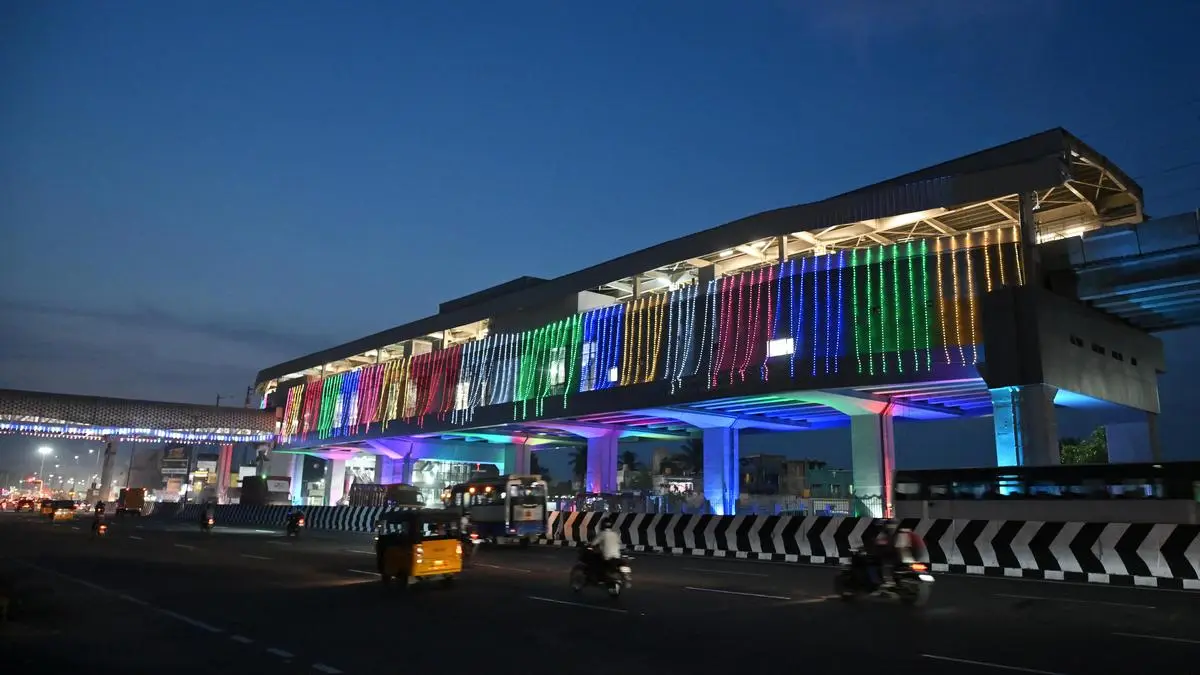
On October 11, 2026, Prime Minister Narendra Modi and Tamil Nadu Chief Minister Vijay flagged off the first train of the Chennai Metro Rail Phase II project. They took a ride together on the newly launched metro service. Initially, 15 trains will operate between Poonamallee and Vadapalani, with trains available every 10 minutes during peak hours. Passenger services started from 4 p.m. on the launch day.
Source The Hindu
Practice MCQs
Q1 When did passenger services for Chennai Metro Rail Phase II start?
- AOctober 11, 2026 from 4 p.m.Correct
- BOctober 10, 2026 from 10 a.m.
- COctober 12, 2026 from 6 p.m.
- DOctober 15, 2026 from 9 a.m.
Explanation Passenger services started on October 11, 2026 from 4 p.m. as per the official launch.
Q2 Between which two stations will the initial 15 trains of Chennai Metro Rail Phase II run?
- APoonamallee and VadapalaniCorrect
- BPorur and Poonamallee
- CVadapalani and Porur
- DPoonamallee and Porur
Explanation The initial 15 trains will run between Poonamallee and Vadapalani.
Q3 Who shared the inaugural ride of the Chennai Metro Rail Phase II first train?
- APM Narendra Modi and Tamil Nadu CM VijayCorrect
- BPM Narendra Modi and Tamil Nadu Governor
- CTamil Nadu CM Vijay and Chennai Mayor
- DPM Narendra Modi and Union Minister
Explanation PM Narendra Modi and Tamil Nadu CM Vijay shared the inaugural ride together.
Frequently asked questions
What are the key current affairs of October 12, 2026?
Which exams is this digest tailored for?
Is Tamil Nadu news covered in this digest?
Plan your prep with Lighthouse Prep
An AI study planner that builds your daily plan and tracks real study time.
Studying for a specific exam?
More current affairs
- Daily Current Affairs 16 October 2026
- Daily Current Affairs 15 October 2026
- Daily Current Affairs 14 October 2026
- Daily Current Affairs 13 October 2026
- Daily Current Affairs 11 October 2026
- Daily Current Affairs 10 October 2026