
Daily Current Affairs 8 October 2026
Daily current affairs for 8 October 2026 — 15 verified news items across Economy, Banking, Environment, with exam-angle notes, keywords and practice MCQs.
Part of October 2026 current affairs: the month's top stories by topic
Free to start — daily digests, practice questions and a study plan built round your exam.
In this digest · 15 items
Economy
GST Council Meeting October 2026: Key Decisions on Arrest, Penalty, and Refunds
In October 2026, the GST Council made significant decisions including ending the arrest powers of GST officers, raising the prosecution threshold to ₹5 crore, reducing penalties, enabling faster refunds, and simplifying registration processes. These measures aim to ease compliance and enforcement under the GST regime.
Source Livemint
Practice MCQs
Q1 Which of the following was a key decision taken by the GST Council in October 2026?
- AEnding arrest powers for GST officersCorrect
- BIncreasing penalties for late GST filing
- CLowering the prosecution threshold to ₹1 crore
- DComplicating the GST registration process
Explanation The GST Council decided to end arrest powers for GST officers in October 2026.
Q2 What is the new prosecution threshold for GST offences as decided in the October 2026 GST Council meeting?
- A₹1 crore
- B₹3 crore
- C₹5 croreCorrect
- D₹10 crore
Explanation The prosecution threshold was raised to ₹5 crore by the GST Council in October 2026.
Q3 Apart from ending arrest powers and raising prosecution thresholds, which other reform was decided by the GST Council in October 2026?
- AIncreasing GST rates on luxury goods
- BReducing penalties and enabling faster refundsCorrect
- CIntroducing new GST slabs
- DExtending GST to new sectors
Explanation The GST Council decided to reduce penalties and enable faster refunds along with other reforms.
57th GST Council Meeting Focuses on Procedural Reforms, No Rate Changes
The 57th GST Council meeting held on October 8 in New Delhi is set to focus on procedural reforms such as input tax credit protection, faster refunds, and the potential removal of arrest provisions under the GST law. No changes to GST rates are expected during this meeting.
Source Livemint
Practice MCQs
Q1 What was the primary focus of the 57th GST Council meeting held on October 8?
- AProcedural reforms including input tax credit protection and faster refundsCorrect
- BChanges in GST rates across various goods and services
- CIntroduction of new GST slabs
- DExpansion of GST to new sectors
Explanation The 57th GST Council meeting focused on procedural reforms such as input tax credit protection and faster refunds, with no changes in GST rates.
Q2 Which of the following was considered for removal during the 57th GST Council meeting?
- AArrest provisions under GST lawCorrect
- BGST rate on luxury goods
- CGST on essential commodities
- DGST compensation cess
Explanation The potential removal of arrest provisions under the GST law was part of the agenda in the 57th GST Council meeting.
India and 14 Economies Sign Pact to Address Global Excess Manufacturing Capacity

India, along with the United States and 13 other economies, signed a pact aimed at tackling global excess manufacturing capacity. The agreement focuses on addressing policies that lead to excess capacity and market distortions. The signatories committed to sharing information and developing coordinated responses to these challenges.
Source Livemint
Practice MCQs
Q1 Which of the following countries is NOT mentioned as a signatory in the pact addressing global excess manufacturing capacity?
- AIndia
- BUnited States
- CChinaCorrect
- D13 other economies
Explanation The source mentions India, the United States, and 13 other economies as signatories but does not mention China.
Q2 What is the main objective of the pact signed by India and 14 other economies?
- ATo increase manufacturing capacity globally
- BTo address policies causing excess manufacturing capacity and market distortionsCorrect
- CTo promote free trade agreements
- DTo reduce tariffs on manufactured goods
Explanation The pact aims to address policies that contribute to excess manufacturing capacity and distort markets.
Q3 What commitment did the signatories make under the pact?
- ATo reduce manufacturing output
- BTo share information and develop coordinated responsesCorrect
- CTo impose tariffs on imports
- DTo establish a new global trade organization
Explanation The signatories agreed to share information and develop coordinated responses to tackle excess capacity and market distortions.
India Targets $1 Trillion Exports Amid Weak Global Trade Growth

India aims to achieve $1 trillion in exports despite a weak global trade outlook. According to Commerce Minister Piyush Goyal, India will need an export growth rate of nearly 16% to meet this target, while global trade is expected to grow only between 2.5% and 3%. This ambitious goal highlights India's focus on boosting its export sector in challenging international market conditions.
Source Livemint
Practice MCQs
Q1 What is the export growth rate India needs to achieve its $1 trillion export target?
- A16%Correct
- B2.5-3%
- C10%
- D20%
Explanation India needs nearly 16% export growth to hit the $1 trillion export target.
Q2 According to Piyush Goyal, what is the expected global trade growth rate?
- A2.5-3%Correct
- B16%
- C5-6%
- D10%
Explanation Global trade is expected to expand just 2.5-3%, as stated by Piyush Goyal.
Q3 Who is the Indian minister mentioned in relation to the export target?
- APiyush GoyalCorrect
- BNirmala Sitharaman
- CNarendra Modi
- DRajnath Singh
Explanation Piyush Goyal is the Commerce Minister who spoke about the export target.
Retail Inflation Likely Hits 23-Month High of 5.6% in September
According to a Mint poll, retail inflation in India is expected to reach 5.6% in September 2026, marking a 23-month high. This rate would surpass the Reserve Bank of India's medium-term inflation target of 4% for the fourth consecutive month.
Source Livemint
Practice MCQs
Q1 What is the expected retail inflation rate in India for September 2026 according to the Mint poll?
- A4%
- B5.6%Correct
- C6.2%
- D3.8%
Explanation The Mint poll expects retail inflation to hit 5.6% in September 2026.
Q2 For how many consecutive months is retail inflation expected to exceed the RBI's medium-term target as of September 2026?
- ATwo months
- BThree months
- CFour monthsCorrect
- DFive months
Explanation Retail inflation is expected to exceed the RBI's 4% target for the fourth consecutive month.
Q3 What is the Reserve Bank of India's medium-term inflation target?
- A3%
- B4%Correct
- C5%
- D6%
Explanation The RBI's medium-term inflation target is 4%.
SBI Economists Predict RBI's Next Rate Hike of 0.50%
SBI economists have forecasted that the Reserve Bank of India (RBI) will increase the repo rate by 0.50%, raising it from the current 5.50% to 6%. This move is suggested in anticipation of increasing global volatility, which may impact economic conditions. The rate hike is seen as the best option to manage the evolving economic scenario.
Source Livemint
Practice MCQs
Q1 What is the predicted increase in the RBI's repo rate according to SBI economists?
- A0.25%
- B0.50%Correct
- C0.75%
- D1.00%
Explanation SBI economists have predicted a 0.50% increase in the repo rate.
Q2 To what level is the RBI's repo rate expected to rise from the current 5.50%?
- A5.75%
- B6.00%Correct
- C6.25%
- D6.50%
Explanation The repo rate is expected to rise to 6.00% from 5.50%.
Q3 What is the primary reason cited by SBI economists for the RBI's rate hike?
- ATo boost exports
- BTo counter inflation
- CDue to likely increase in global volatilityCorrect
- DTo support government borrowing
Explanation The rate hike is suggested due to the expectation of increased global volatility.
GST Council Considers Wider Data Sharing and Rare Disease Tax Relief
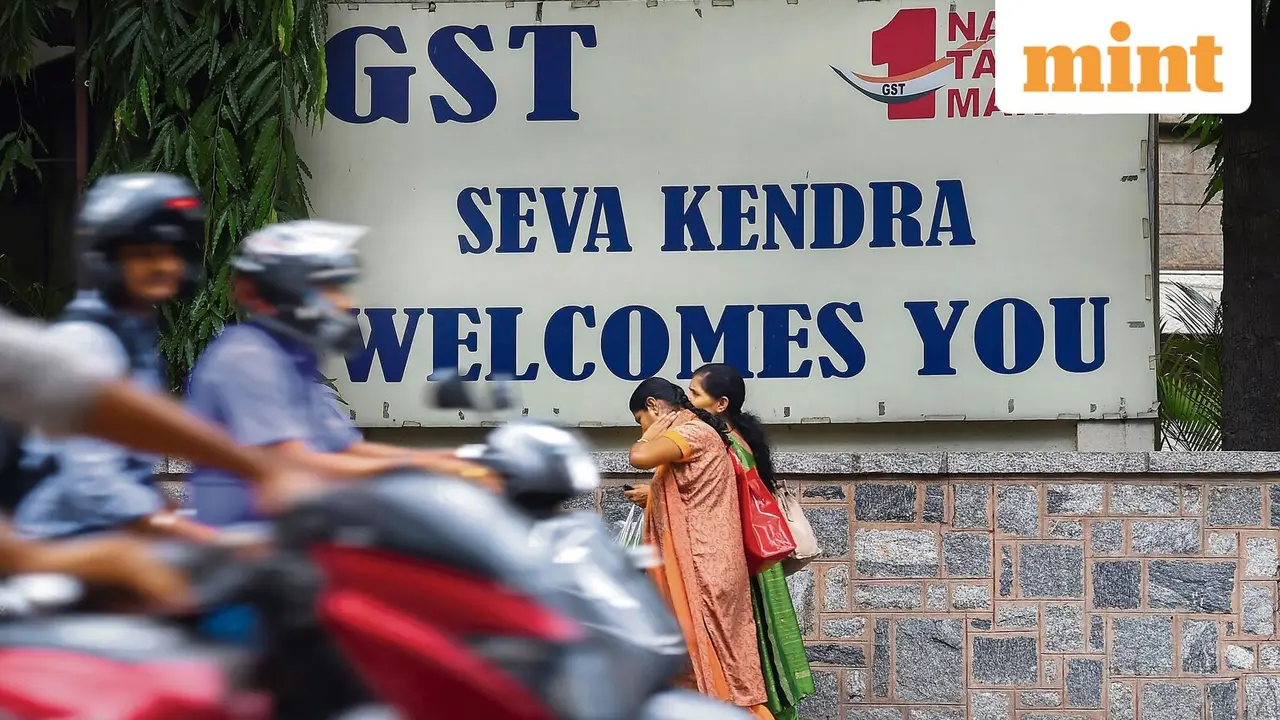
The GST Council is set to discuss a proposal to open GST tax data for broader economic use beyond tax administration. This move aims to integrate GST data as a regular input for official economic statistics. Additionally, the Council will consider providing tax relief for rare diseases during its meeting on Thursday.
Source Livemint
Practice MCQs
Q1 What new use of GST data is the GST Council considering?
- AUsing GST data as a regular input for official economic statisticsCorrect
- BLimiting GST data use to tax administration only
- CSharing GST data exclusively with private companies
- DStopping GST data collection altogether
Explanation The GST Council is considering expanding the use of GST data beyond tax administration to include its use as a regular input for official economic statistics.
Q2 What additional issue will the GST Council consider in its upcoming meeting?
- ATax relief for rare diseasesCorrect
- BIncreasing GST rates on luxury goods
- CReducing GST on essential commodities
- DIntroducing a new tax on digital services
Explanation The GST Council will consider providing tax relief for rare diseases during its meeting.
UNDP and Generali Central Launch Insurance Innovation Challenge for MSMEs

The United Nations Development Programme (UNDP) and Generali Central have jointly launched an Insurance Innovation Challenge aimed at strengthening the resilience of Micro, Small, and Medium Enterprises (MSMEs). The challenge offers up to three winners grants of up to $40,000 each. Applications for the challenge are open until November 20, 2026, with the results scheduled to be announced in February 2027.
Source BusinessLine
Practice MCQs
Q1 What is the maximum grant amount offered to each winner in the Insurance Innovation Challenge launched by UNDP and Generali Central?
- A$20,000
- B$30,000
- C$40,000Correct
- D$50,000
Explanation The challenge offers grants of up to $40,000 each to up to three winners.
Q2 By which date must applications be submitted for the Insurance Innovation Challenge launched by UNDP and Generali Central?
- AOctober 20, 2026
- BNovember 20, 2026Correct
- CDecember 20, 2026
- DJanuary 20, 2027
Explanation Applications are due by November 20, 2026.
Q3 When will the results of the Insurance Innovation Challenge be announced?
- ADecember 2026
- BJanuary 2027
- CFebruary 2027Correct
- DMarch 2027
Explanation The results are scheduled to be announced in February 2027.
Banking
RBI Removes Paytm Payments Bank from Scheduled Banks List

The Reserve Bank of India (RBI) has removed Paytm Payments Bank from the list of scheduled banks. This action follows regulatory measures taken against the bank and a directive from the Delhi High Court ordering its winding up under applicable laws.
Source BusinessLine
Practice MCQs
Q1 Which bank was removed from the scheduled banks list by the RBI following regulatory action and a court order?
- APaytm Payments BankCorrect
- BState Bank of India
- CHDFC Bank
- DICICI Bank
Explanation The RBI removed Paytm Payments Bank from the scheduled banks list following regulatory action and a Delhi High Court order for winding up.
Q2 Which court directed the winding up of Paytm Payments Bank under applicable laws?
- ASupreme Court of India
- BDelhi High CourtCorrect
- CBombay High Court
- DKarnataka High Court
Explanation The Delhi High Court ordered the winding up of Paytm Payments Bank under applicable laws.
UPI MDR Decision Expected Today; Industry Anticipates January 2027 Deferral

A panel consisting of the Indian Banks’ Association (IBA), the Payments Council of India (PCI), and representatives from banks, payment service providers (PSPs), and various associations is set to make a decision on the UPI Merchant Discount Rate (MDR). The industry expects that the decision on UPI MDR will be deferred to January 2027.
Source BusinessLine
Practice MCQs
Q1 Which organizations are part of the panel deciding on the UPI MDR?
- AIndian Banks’ Association, Payments Council of India, banks, PSPs, and associationsCorrect
- BReserve Bank of India and Ministry of Finance
- CNational Payments Corporation of India only
- DState Bank of India and other public sector banks
Explanation The panel comprises the Indian Banks’ Association (IBA), the Payments Council of India (PCI), and representatives of banks, payment service providers (PSPs), and various associations.
Q2 When is the industry expecting the UPI MDR decision to be deferred to?
- AJanuary 2027Correct
- BDecember 2026
- CMarch 2027
- DOctober 2026
Explanation The industry expects the decision on UPI MDR to be deferred to January 2027.
RBI Permits Account Aggregator Interoperability to Enhance Customer Choice
The Reserve Bank of India (RBI) has allowed interoperability among Account Aggregators, facilitating seamless consent-based data sharing. This move aims to enable faster credit assessments and provide customers with consolidated views of their financial data, thereby expanding customer choice in financial services.
Source BusinessLine
Practice MCQs
Q1 What key benefit does RBI's allowance of Account Aggregator interoperability provide?
- ASeamless consent-based data sharingCorrect
- BIncreased interest rates on loans
- CRestriction on financial data access
- DMandatory physical document submission
Explanation RBI's move enables seamless consent-based data sharing among Account Aggregators.
Q2 One of the outcomes of RBI allowing Account Aggregator interoperability is:
- ASlower credit assessment
- BFaster credit assessmentCorrect
- CReduced customer choice
- DElimination of digital financial services
Explanation The interoperability facilitates faster credit assessment for customers.
Q3 The RBI's move to allow Account Aggregator interoperability primarily aims to:
- AExpand customer choice in financial servicesCorrect
- BLimit the use of digital platforms
- CIncrease banking transaction fees
- DBan data sharing between financial institutions
Explanation The move expands customer choice by enabling consolidated financial views and data sharing.
RBI Exempts Individuals from Reporting Foreign Buys and Earnings
The Reserve Bank of India (RBI) has introduced new regulations exempting individuals from reporting foreign buys and earnings. These measures aim to simplify processes and promote ease of doing business. The guidelines were initially published in January 2026, and the RBI plans to release FAQs soon to clarify the rules further. Sufficient time was provided to trade members to adapt to these guidelines.
Source BusinessLine
Practice MCQs
Q1 What recent exemption has the RBI introduced regarding foreign buys and earnings?
- AIndividuals are exempt from reporting foreign buys and earningsCorrect
- BOnly companies are exempt from reporting foreign buys and earnings
- CAll entities must report foreign buys and earnings without exemption
- DForeign buys and earnings reporting has been completely abolished
Explanation The RBI has exempted individuals from reporting foreign buys and earnings as part of new regulations.
Q2 When were the RBI guidelines on foreign buys and earnings initially published?
- AJanuary 2026Correct
- BOctober 2026
- CJanuary 2025
- DOctober 2025
Explanation The guidelines were published in January 2026, providing sufficient time for trade members to adapt.
Q3 What is the RBI planning to publish soon to clarify the new rules on foreign buys and earnings?
- AFAQsCorrect
- BA new policy document
- CA detailed report
- DA press release
Explanation The RBI plans to publish FAQs soon to clarify the rules regarding foreign buys and earnings.
Environment
Tamil Nadu May Experience El Niño Effects Differently from Rest of India
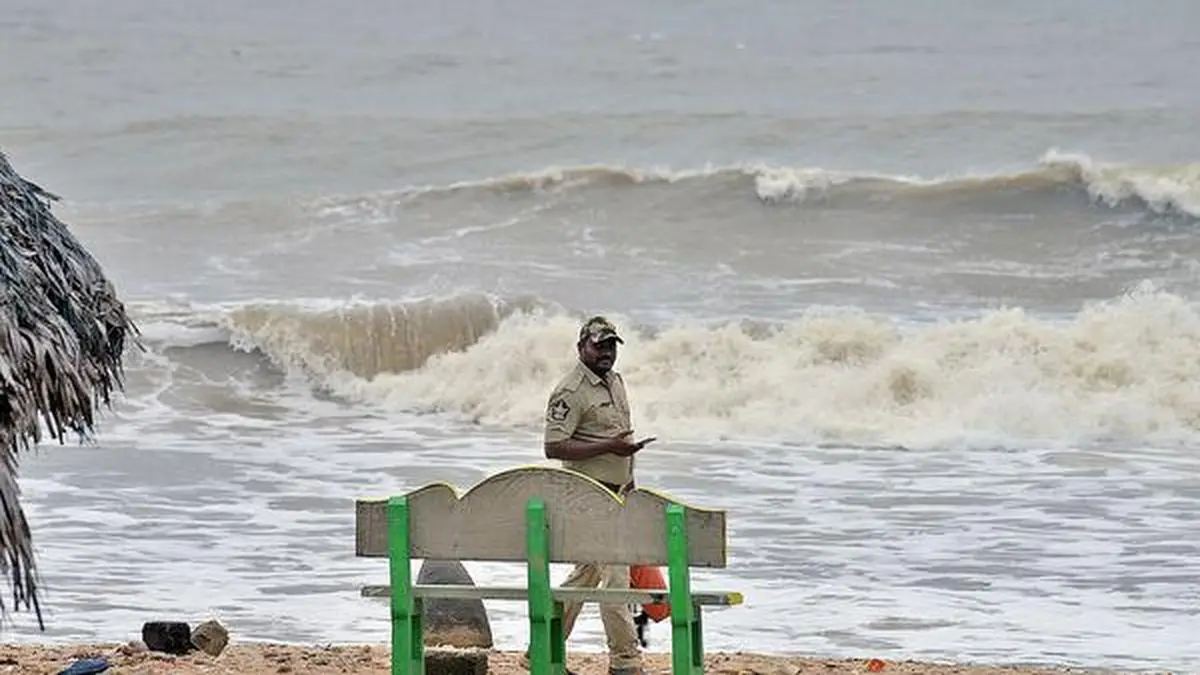
During strong El Niño years, pressure differences between the Bay of Bengal and the Arabian Sea can channel moist air into coastal Tamil Nadu. When El Niño coincides with warmer Bay of Bengal waters, increased evaporation leads to cyclonic circulations in November-December that release stored heat as intense, localized rainfall in Tamil Nadu. This pattern suggests Tamil Nadu may encounter El Niño impacts differently compared to other parts of India.
Source The Hindu
Practice MCQs
Q1 How does Tamil Nadu experience El Niño differently from the rest of India?
- AMoist air is driven into coastal Tamil Nadu due to pressure differences between the Bay of Bengal and Arabian SeaCorrect
- BEl Niño causes droughts uniformly across Tamil Nadu and the rest of India
- CEl Niño reduces evaporation in the Bay of Bengal leading to less rainfall in Tamil Nadu
- DTamil Nadu experiences colder temperatures during El Niño compared to other states
Explanation The pressure differences between the Bay of Bengal and Arabian Sea during strong El Niño years drive moist air into coastal Tamil Nadu, causing different effects than in other regions.
Q2 What happens when El Niño coincides with warmer waters in the Bay of Bengal?
- AEvaporation increases, leading to cyclonic circulations that cause intense, localized rainfall in Tamil NaduCorrect
- BEvaporation decreases, causing drought conditions in Tamil Nadu
- CCyclonic circulations weaken, reducing rainfall in Tamil Nadu
- DThere is no significant change in weather patterns in Tamil Nadu
Explanation Warmer waters in the Bay of Bengal during El Niño increase evaporation, which leads to cyclonic circulations in November-December that release heat as intense, localized rainfall in Tamil Nadu.
Two Cheetahs Released in Bundelkhand Tiger Reserve, Third Habitat in Madhya Pradesh

Two cheetahs have been released into the tiger reserve in Bundelkhand, Madhya Pradesh, marking it as the third habitat for cheetahs in the state after Kuno National Park in Sheopur and Gandhi Sagar Wildlife Sanctuary in Mandsaur. This move expands the conservation efforts for cheetahs within Madhya Pradesh.
Source The Hindu
Practice MCQs
Q1 Which tiger reserve in Madhya Pradesh became the third habitat for cheetahs after the release of two cheetahs?
- ABundelkhand tiger reserveCorrect
- BKuno National Park
- CGandhi Sagar Wildlife Sanctuary
- DPench Tiger Reserve
Explanation The Bundelkhand tiger reserve became the third cheetah habitat in Madhya Pradesh after the release of two cheetahs.
Q2 Before Bundelkhand tiger reserve, which two locations in Madhya Pradesh were known as cheetah habitats?
- AKuno National Park and Gandhi Sagar Wildlife SanctuaryCorrect
- BPench Tiger Reserve and Kanha National Park
- CSatpura National Park and Bandhavgarh National Park
- DTadoba Andhari Tiger Reserve and Nagarhole National Park
Explanation Kuno National Park in Sheopur and Gandhi Sagar Wildlife Sanctuary in Mandsaur were the first two cheetah habitats in Madhya Pradesh.
Assam Forest Department and WWF-India Track Elephant Movements to Reduce Conflicts

Between April 2021 and June 2026, the Assam Forest Department in collaboration with WWF-India conducted a GPS tracking study on elephant movements. The study focused on four female-led herds and one solitary male elephant across three high-conflict districts: Udalguri, Sonitpur, and Biswanath. The primary aim of this initiative is to mitigate human-elephant conflicts in these regions by understanding elephant movement patterns.
Source The Hindu
Practice MCQs
Q1 Which organization collaborated with the Assam Forest Department to track elephant movements?
- AWWF-IndiaCorrect
- BWildlife Trust of India
- CNational Tiger Conservation Authority
- DIndian Forest Service
Explanation The Assam Forest Department collaborated with WWF-India to track elephant movements.
Q2 In which districts were the elephant herds tracked between April 2021 and June 2026?
- AUdalguri, Sonitpur, BiswanathCorrect
- BKaziranga, Dibrugarh, Tinsukia
- CGuwahati, Jorhat, Sivasagar
- DNagaon, Karbi Anglong, Kokrajhar
Explanation The study tracked elephant herds in the high-conflict districts of Udalguri, Sonitpur, and Biswanath.
Q3 What was the main objective of the GPS study on elephant movements in Assam?
- ATo mitigate human-elephant conflictsCorrect
- BTo increase elephant population
- CTo promote tourism
- DTo study elephant diet patterns
Explanation The primary aim of the study was to mitigate human-elephant conflicts by understanding elephant movement patterns.
Frequently asked questions
What are the key current affairs of October 8, 2026?
Which exams is this digest tailored for?
Is Tamil Nadu news covered in this digest?
Plan your prep with Lighthouse Prep
An AI study planner that builds your daily plan and tracks real study time.
Studying for a specific exam?
More current affairs
- Daily Current Affairs 16 October 2026
- Daily Current Affairs 15 October 2026
- Daily Current Affairs 14 October 2026
- Daily Current Affairs 13 October 2026
- Daily Current Affairs 12 October 2026
- Daily Current Affairs 11 October 2026